
Hanuman Chalisa

Devotional Songs
Hanuman Chalisa
|

Shiv Ji Bhajan
|

Shri Ram Stuti
|

Krishna Bhajan
|

Ganesh Aarti
|

Durga Aarti
|

Sai Baba Bhajan
|

Vishnu Aarti
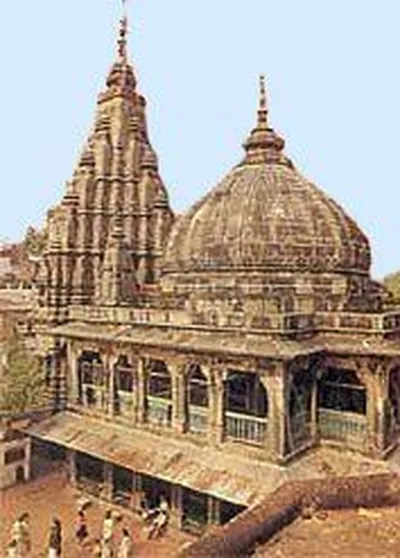
Foundation Year: 1787
Theertham: Falgu River
Architecture: Shikhara style
Other Speciality: .The Vishnupad temple is the center for Shraddha rites in Gaya.
The construction date of the temple is unknown and it is believed that Rama along with Sita had visited this place. The present-day structure was rebuilt by Devi Ahilya Bai Holkar, the ruler of Indore, in 1787, on the banks of the Falgu river. Ahilya Bai Holkar had crafted the temple, sent her officers to inspect and find the best stone for the temple in the whole region, and they finally found Munger black stone as the best choice in Jaynagar. Since there was no proper road and the mountains were very far from Gaya, the officers found another mountain where they can carve and easily bring the stone to Gaya the place was near Bathani (a small village in the Gaya district). The officers brought the craftsmen from Rajasthan. They started carving the temple in Patharkatti (a village and also a tourist place in Bihar). The final temple was assembled in Gaya near the Vishnupad temple site. After completing the construction of the temple many craftsmen returned to their native places, but some of them settled down in Pattharkatti village itself. The Bihar government has marked this place as one of the prominent tourist spots of Bihar. The 1000 stone steps leading to the top of the Brahmajuni hill southwest of the Vishnupad mandir give the view of Gaya city and the Vishnupad temple, which is a tourist spot. There are also many small temples near this temple.Once a demon known as Gayasura did a heavy penance and sought a boon that whoever sees him should attain salvation (Moksham). Since salvation is achieved through being righteous in one's lifetime, people started obtaining it easily. To prevent immoral people from attaining salvation Lord Vishnu asked Gayasura to go beneath the earth and did so by placing his right foot on asura's head. After pushing Gayasura below the surface of the earth, Lord Vishnu's footprint remained on the surface that we see even today. The footprint consists of nine different symbols including Shankham, Chakram, and Gadham. These are believed to be weapons of the lord. Gayasura now pushed into earth pleaded for food. Lord Vishnu gave him a boon that every day, someone will offer him food. Whoever does so, their souls will reach heaven. The day Gayasura doesn't get food, it is believed that he will come out. Every day, one or the other from different parts of India will pray for the welfare of his departed and offer food, feeding Gayasura.Once a demon known as Gayasura did a heavy penance and sought a boon that whoever sees him should attain salvation (Moksham). Since salvation is achieved through being righteous in one's lifetime, people started obtaining it easily. To prevent immoral people from attaining salvation Lord Vishnu asked Gayasura to go beneath the earth and did so by placing his right foot on asura's head. After pushing Gayasura below the surface of the earth, Lord Vishnu's footprint remained on the surface that we see even today. The footprint consists of nine different symbols including Shankham, Chakram, and Gadham. These are believed to be weapons of the lord. Gayasura now pushed into earth pleaded for food. Lord Vishnu gave him a boon that every day, someone will offer him food. Whoever does so, their souls will reach heaven.
This is believed that the temple was built with the footprints of Lord Vishnu in the center. In Hinduism, this footprint marks the act of Lord Vishnu subduing Gayasur by placing his foot on his chest. Inside the Vishnupad Mandir, the 40 cm long footprint of Lord Vishnu is imprinted in solid rock and surrounded by a silver-plated basin. The height of this temple is 30 meters and it has 8 rows of beautifully carved pillars that support the pavilion. The temple is built of large gray granite blocks jointed with iron clamps. The octagonal shrine faces east. Its pyramidal tower rises up 100 feet. The tower has sloping sides with alternately indented and plain sections. The sections are set at an angle to create a series of peaks joined at the top. Within the temple stands the immortal banyan tree Akshayavat where the final rituals for the dead takes place. On top of the temple is a gold flag weighing approximately 51 kg. Inside the temple is a (Garv ghiri ) a silver-coated hexagon railing also known as (pahal).
The temple is located in Gaya, Bihar, India on the bank of the river Phalgu, marked by a footprint of Lord Vishnu known as Dharmasila, incised into a block of basalt. Atop the structure is a 50-kilo gold flag, donated by a devotee, Gayapal Panda Bal Govind Sen.The footprint consists of nine different symbols including Shankham, Chakram, and Gadham. These are believed to be weapons of the lord.
Begin your spiritual adventure visiting these related temples
Mahavir mandir
Benwalia, Bihar
Lord Hanuman Temple
Udpura, Rajasthan
Sri Darshneshwar Mahadev
Mahaban Bangar, Uttar Pradesh
Mandir Baba Markanday Rishi
Haryana
Peepal Mandir
New Delhi, Delhi
Prachin Shiv Mandir
Uttar Pradesh
Discover the Spiritual Tapestry of Related Deities
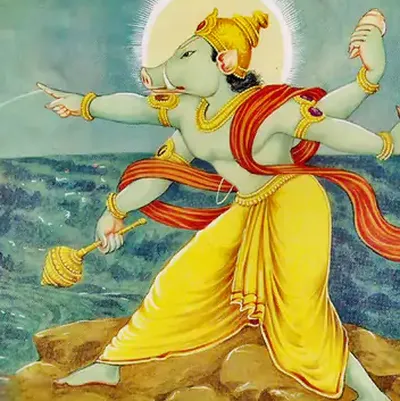
Varaha
Varaha | Avatar, Boar & Vishnu
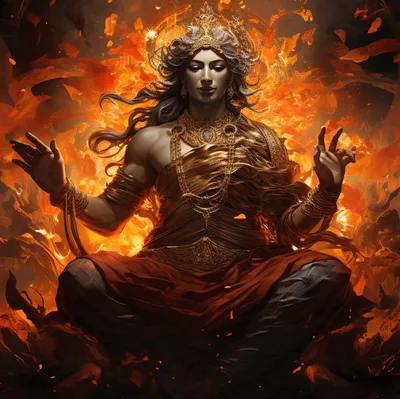
Agni
Agni | Vedic Deity, Fire God, Hinduism
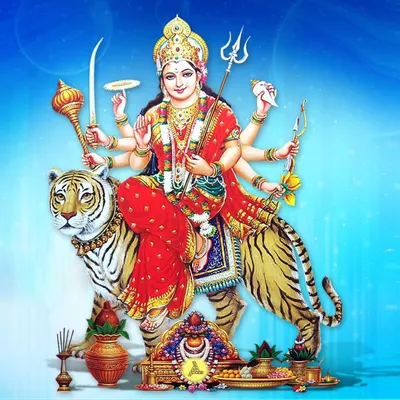
Chandi
Chandi | Hinduism, Warrior, Devi

Krishna
Krishna | Story, Meaning, Description, & Legends
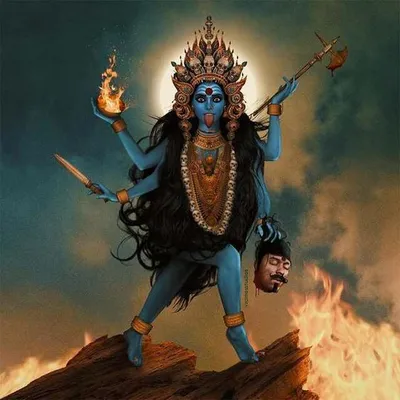
Kali
Kali | Hindu Goddess of Time, Change & Empowerment
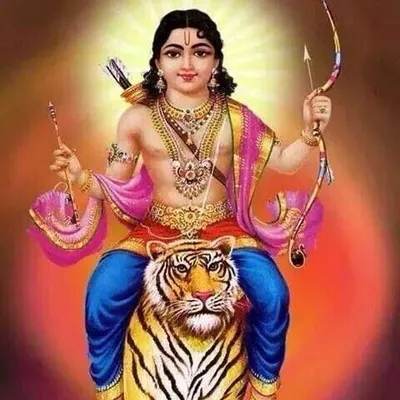
Ayyappan
Ayyappan | Hinduism, Sabarimala, Lord Vishnu
Explore related bhajans with lyrics, videos and music
Itni Kripa Kijiye Salasar Hanuman
Itani Kirpa Kijiye,Salasar Hanuman,Ab Darshan De Do Baba,Ab Darshan De Do Baba,Mujhe Balak Apana Jana,Itani Kirpa Kijiye

Dekho Pawan Param Shri Ram Ke Charan
Dekho Pawan Param Shri Ram Ke Charan,Shri Ram Ke Charan, Prabhu Ram Ke Charan,Dekhon Pawan Param Shri Ram Ke Charan ॥Shr

Aaja Bhakto Ki Sun Ke Pukar O Marghat Wale Baba Ji
Aaja Bhakto Ki Sunake Pukar,O Marghat Wale Baba Ji,Roj Karate Hai Tera Intijar,O Marghat Wale Baba Ji,Aaja Bhakto Ki Sun

Pehle Dhyan Shree Ganesh Ka Modak Bhog Lagao
Pahale Dhyan Shri Ganesh Ka,Modak Bhog Lagao,Bhakti Man Se Kar Lo Bhakto,Bhakti Man Se Kar Lo Bhakto,Ganpati Ke Gun Gao,
Bhola Bhala Tu Anjani Ka Lala
Bhola Bhala Tu Anjani Ka Lala, Hai Bajarang Bala, Bada Tera Naam Hai, Ki Tere Hrday Mein Base Siyaram Hai, Matavala Hai

Kah Kar To Dekh Maa Se Dukh Dard Tere Dil Ke
Kah Kar To Dekh Maa Se,Dukh Dard Tere Dil Ke,Ye Gale Se Laga Legi,Tasvir Se Nikal Ke,Ye Gale Se Laga Legi,Tasvir Se Nika